When a child starts reading on their own, parents often feel the mission is accomplished: "Now they’ll pick up smart words from books themselves." However, linguists have a different opinion.
Research shows that children acquire new words much faster when they hear them in the context of live adult speech. Why is independent reading only half the battle, and how does BubuTales help a child speak elegant English, Ukrainian, Turkish, German, or Hindi? Let’s break it down.
1. The Effect of "Background" Listening
When a child reads independently, they often "swallow" unknown words so as not to lose the pace of the plot. If a word is difficult, the child simply ignores it.
How it works aloud: When you read a story from our "Tales Based on Cartoons" section, you automatically emphasize with intonation. The child hears the new word, feels its nuance, and learns to use it correctly.
2. Complex Structures Become Clear
The literary language of fairy tales is much richer than our everyday vocabulary like "eat your porridge — put on your hat." It is difficult for a child to perceive long sentences with participles or rare adverbs on their own.
Tip: By reading texts on bubutales.net together, you become a "living dictionary." A child can interrupt and ask: "What does 'competition' mean?" or "Who is a 'gentleman'?". It is in these moments that vocabulary grows most effectively.
3. From Passive to Active Vocabulary
A child may know a word's meaning (passive vocabulary) but never use it in speech (active vocabulary).
The BubuTales Tool: Our interactive questions under each story encourage the child to use the words they just heard in their response. When a child tries to explain a character's actions, they are forced to choose precise epithets, turning "passive" knowledge into "active" skills.
Developing Speech with BubuTales: 3 Simple Steps
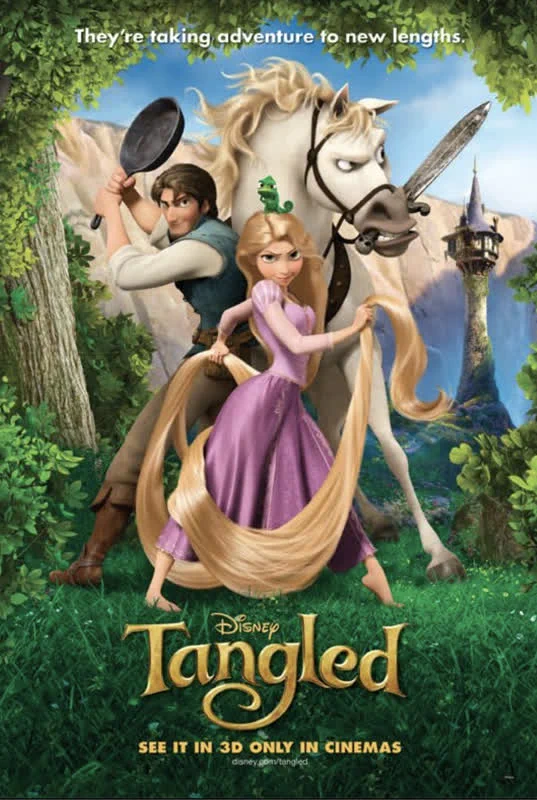
1. Choose different universes. Our site features stories from various cartoons — from magical kingdoms to modern adventures. Each world has its own lexicon: technical terms in some stories and elevated, fairy-tale words in others.
2. Play "Word of the Day." After reading, pick one unusual word from the text and try to use it together throughout the next day.
3. Discuss hidden answers. Our questions are phrased so that the child doesn't just answer "yes" or "no," but builds elaborate sentences using the names of objects or emotions they've heard.
Conclusion
Independent reading is a great skill, but it is the shared evenings with parents that create the foundation for future literacy and eloquence. Your voice is the best teacher, and bubutales.net is your reliable guide to the world of correct and beautiful language.