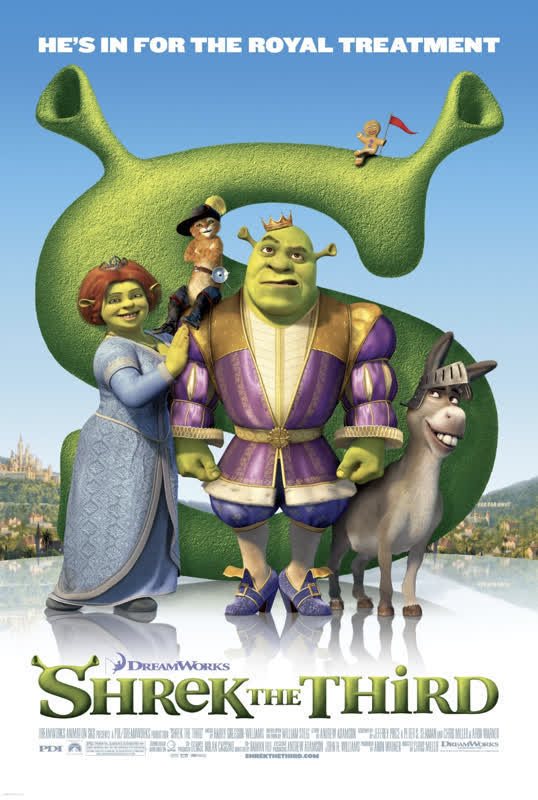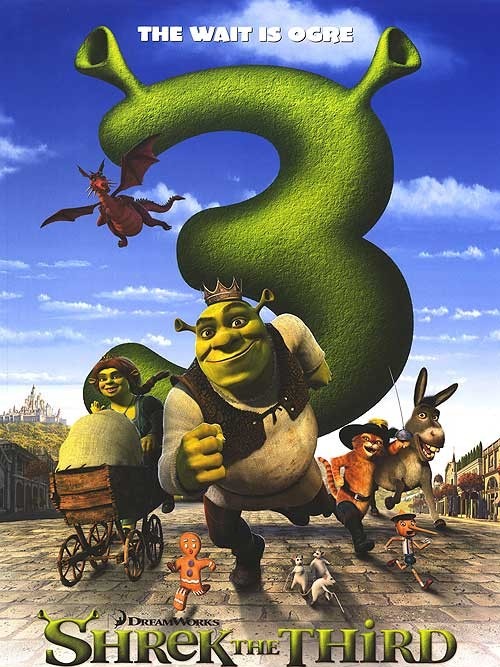
When we turn on cartoons for our children, we are often just looking for entertainment. But the world of Shrek is no ordinary fairy tale. While the first installments taught us to accept ourselves and choose love by the heart's command, Shrek the Third dives into much more complex, "adult" themes: responsibility, fear of the unknown, and the art of being yourself even when others expect something else from you.
How exactly does this story shape your child's character and worldview? Let's find out.
1. Overcoming the fear of the new (and parenthood)
Shrek's main conflict in this part is a panic-stricken fear of becoming a father. This is a very sincere and "human" moment.
Why it’s important for the child: The movie shows that being afraid of change is normal. Even big and strong heroes can feel insecure. This teaches children empathy and the understanding that adults have feelings too.
2. True leadership and responsibility
The quest of young Prince Arthur (Artie) is a journey from being a "loser" whom everyone laughs at to becoming a future king.
A lesson for the child: Becoming a "king" (a leader in class, a team captain, or simply an independent individual) is not about the crown or power. It is about choice. As Shrek says: "Only you decide who you are."
3. Shattering the "helpless princess" stereotype
One of the most striking scenes in the film is when Fiona, Snow White, Cinderella, and Sleeping Beauty decide not to wait for a rescue but to take action themselves.
Educational aspect: This is a wonderful example of a modern role model. We teach daughters to be resourceful and strong, and sons to respect female strength and partnership.
4. The power of words over the power of fists
The final battle is won not with swords, but through Artie's speech. He convinces the villains that they don't have to be "bad" just because that's how it's written in fairy tales.
Value: This develops critical thinking. A child learns that conflicts can be resolved through dialogue, and the labels others place on you do not have to define your destiny.
Advice for parents: what to ask the child after watching?
1. Why do you think Artie didn't want to be king at first? (Discussing insecurity).
2. Did the princesses do the right thing by going into battle themselves? (Discussing initiative).
3. What helped the pirates and monster trees become good in the end? (Discussing the right to make mistakes and change).
Conclusion: Shrek the Third teaches children that perfect people (or ogres) do not exist. But each of us has a magical superpower—the ability to choose our own path and take responsibility for our own happiness.